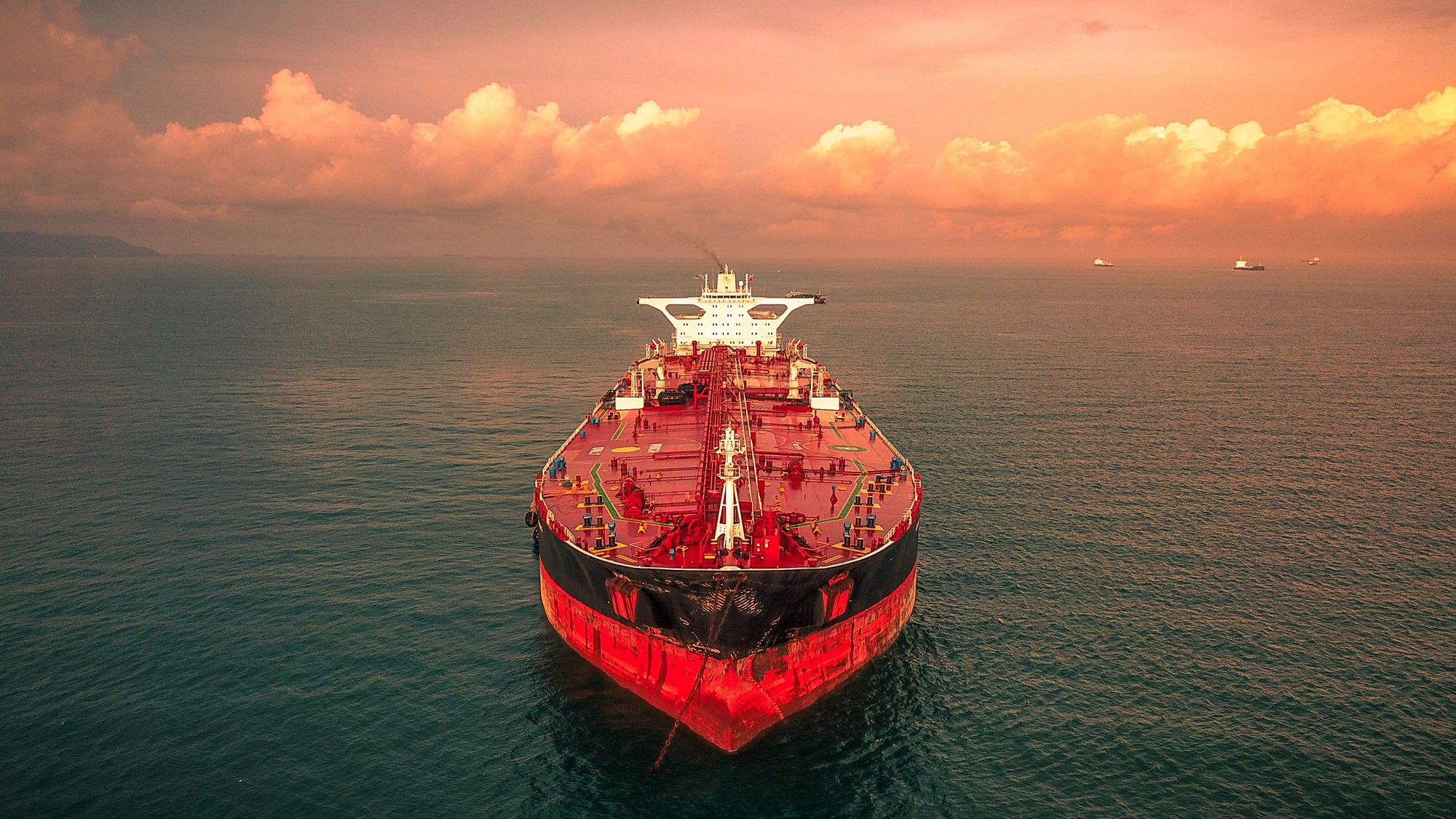
101 - Maritime Law

-To begin with a quest, one must take the first step-
Ships
At the heart of maritime law is a ship for sea voyage. Annex 1 of the Convention of Safety of Life at Sea 1974 (SOLAS) classified types of ships as: 1) passenger ships [a ship that carrier more than 12 passengers]; 2) cargo ships [a ship that is not a passenger ship]; 3) a tanker [a cargo ship constructed or adapted for the carrier in bulk of liquid cargoes of an inflammable nature]; 4) a fishing vessel [a vessel used for catching fish, whales, seals, walrus, or other living resources of the sea]; and 5) a nuclear ship [a ship provided with a nuclear power plant]. Following the world's trade of cargoes, the world fleet nowadays has varieties of sizes, types, and purposes. In 2019, the United Nations Conference on Trade and Development (UNCTAD) reported that the total world fleet is 95,402, with 1,97 Dead-Weight Ton (DWT) capacity. Among those fleets, some modern-day ships are:
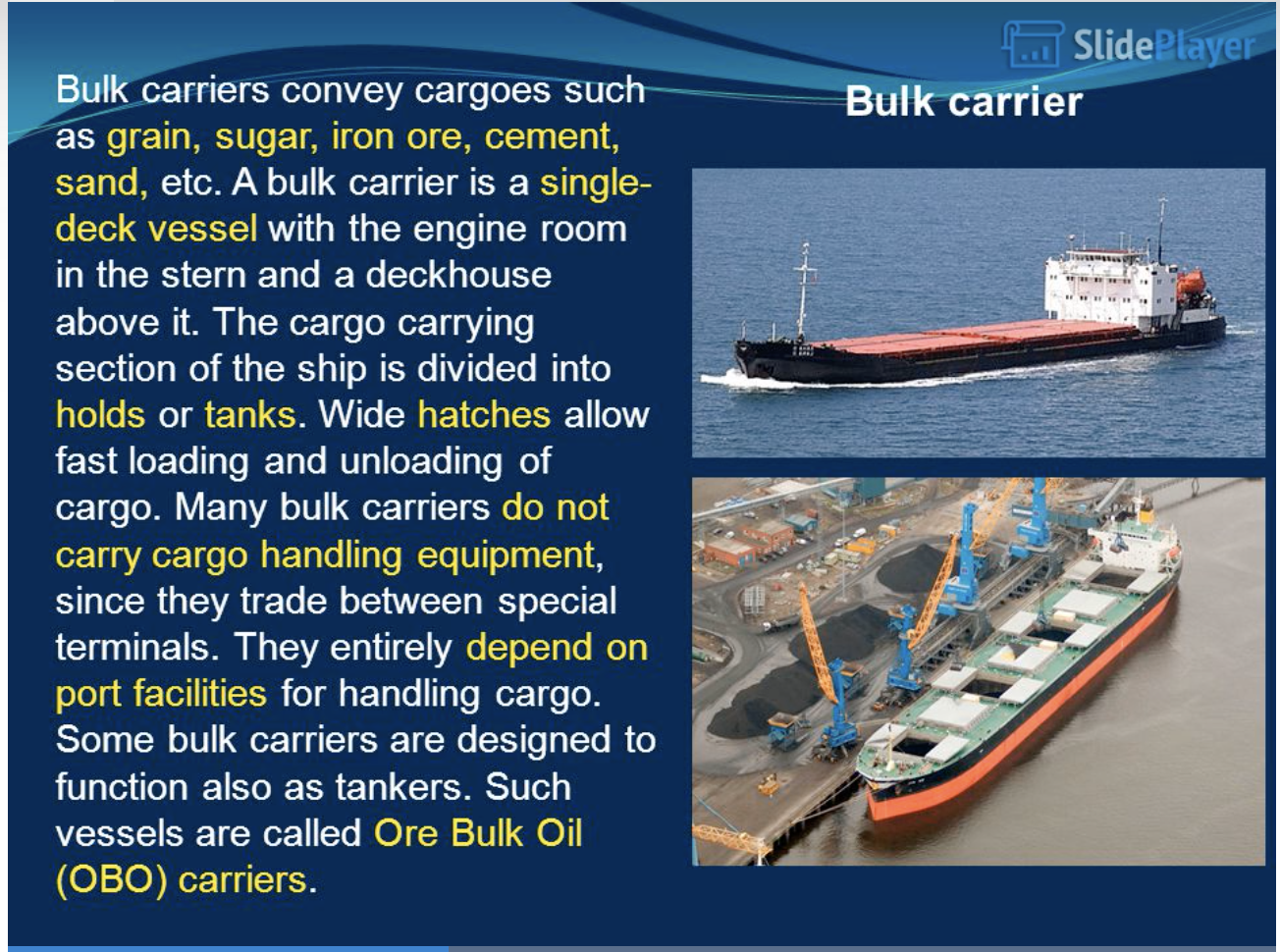
Bulk carrier
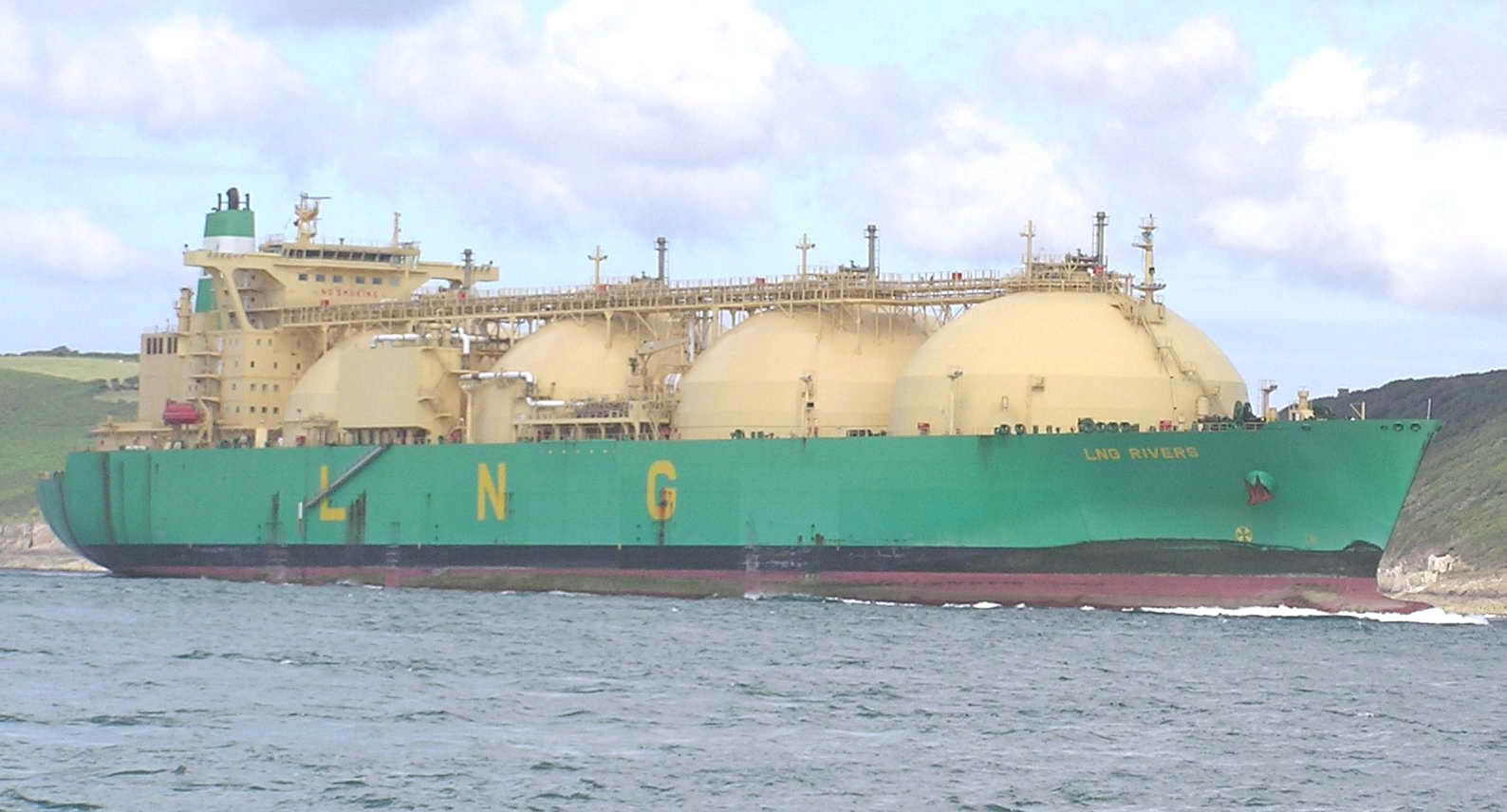
LNG carrier
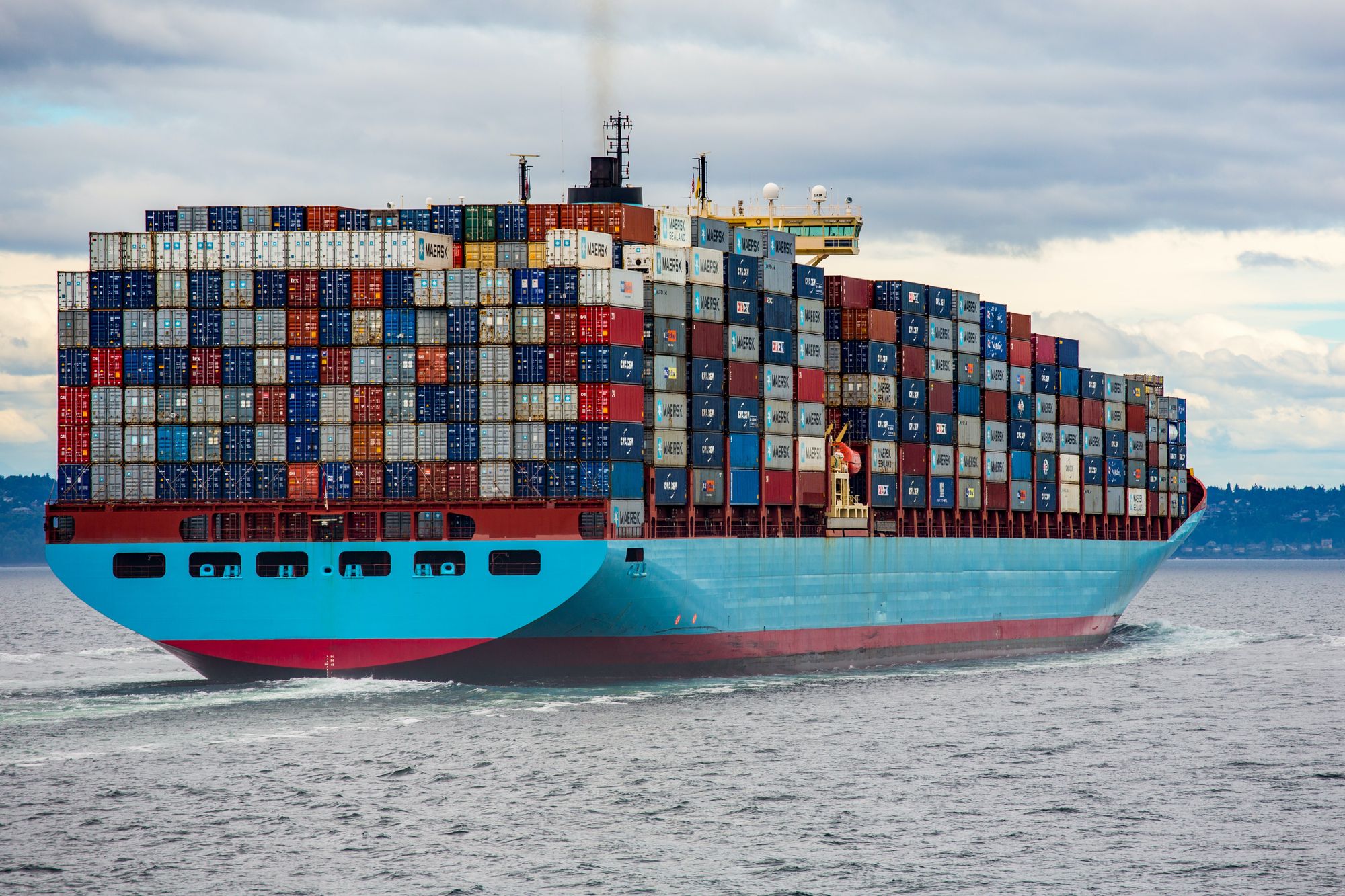
Container ship
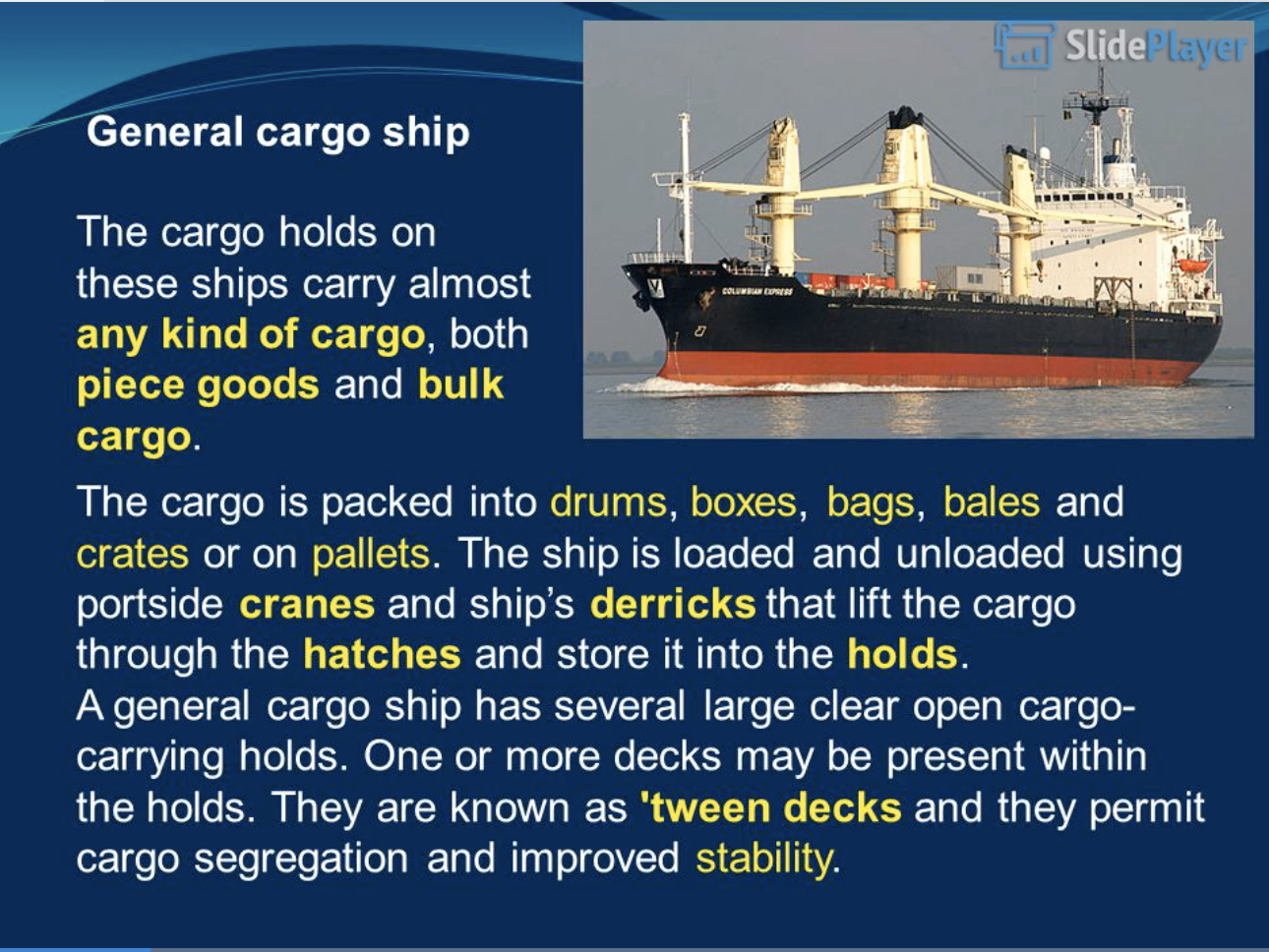
General cargo ships
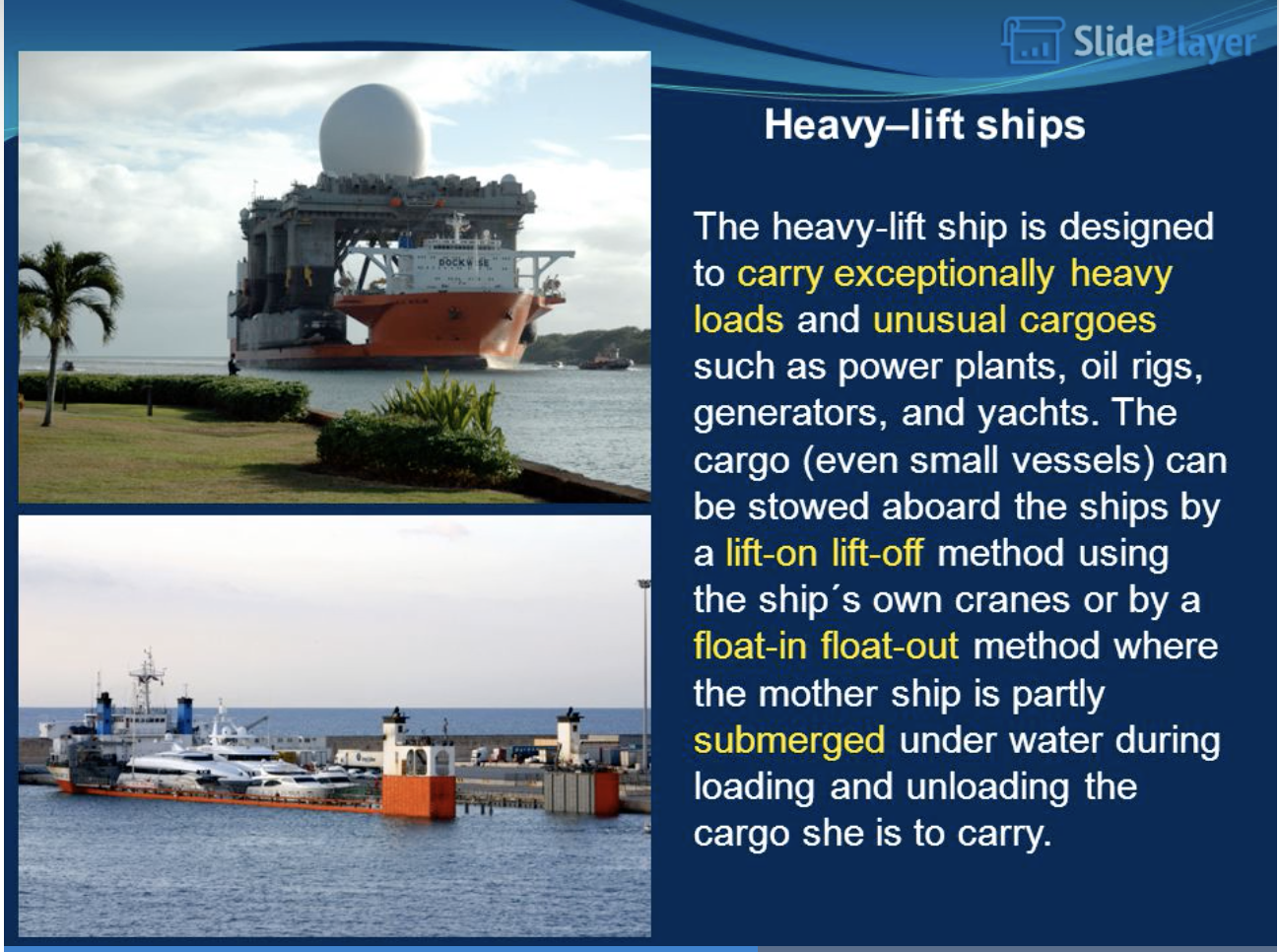
Heavy lift ships
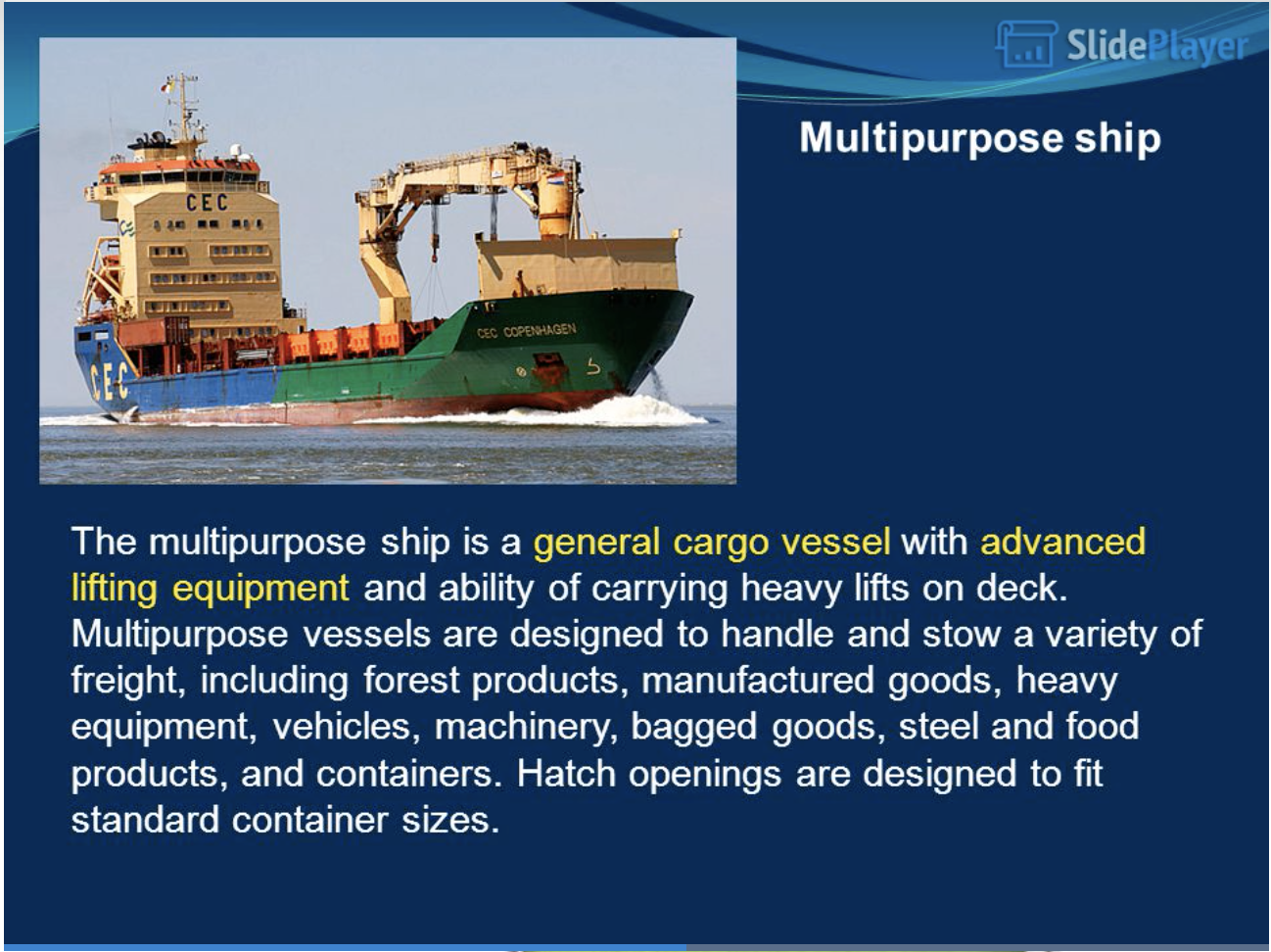
Multi-Purpose vessel
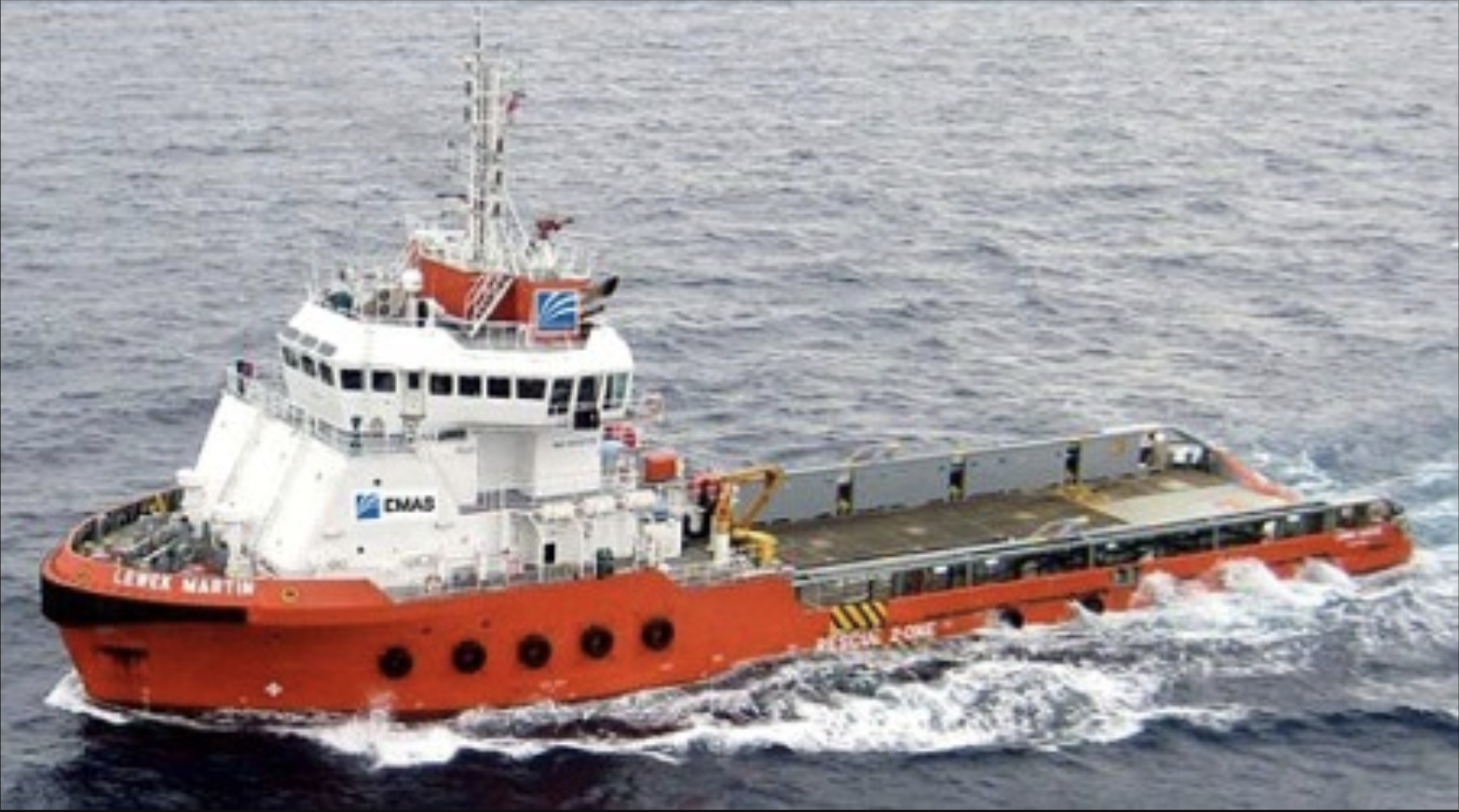
Offshore ships
Passenger ships (Cruise ships)
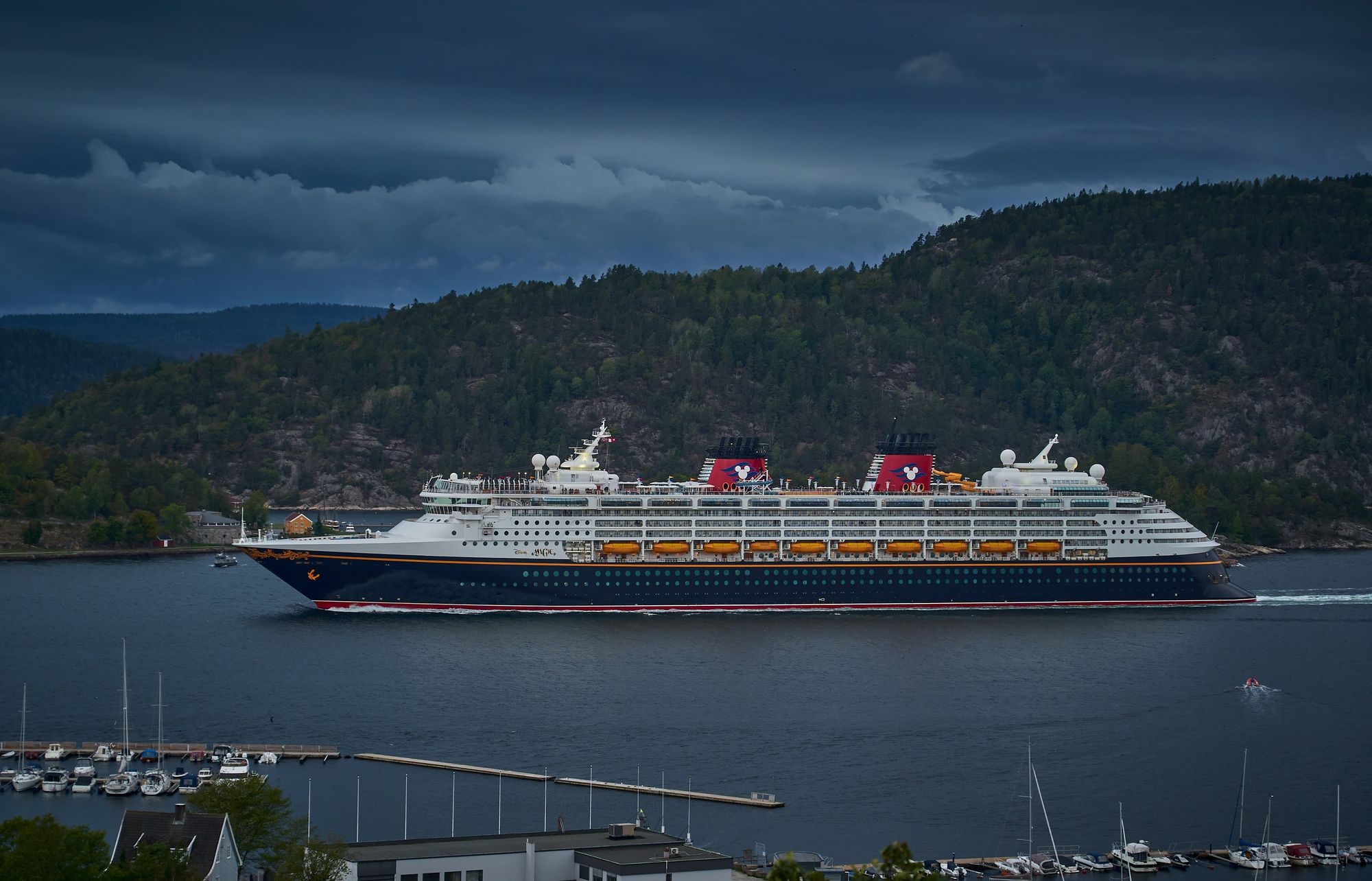
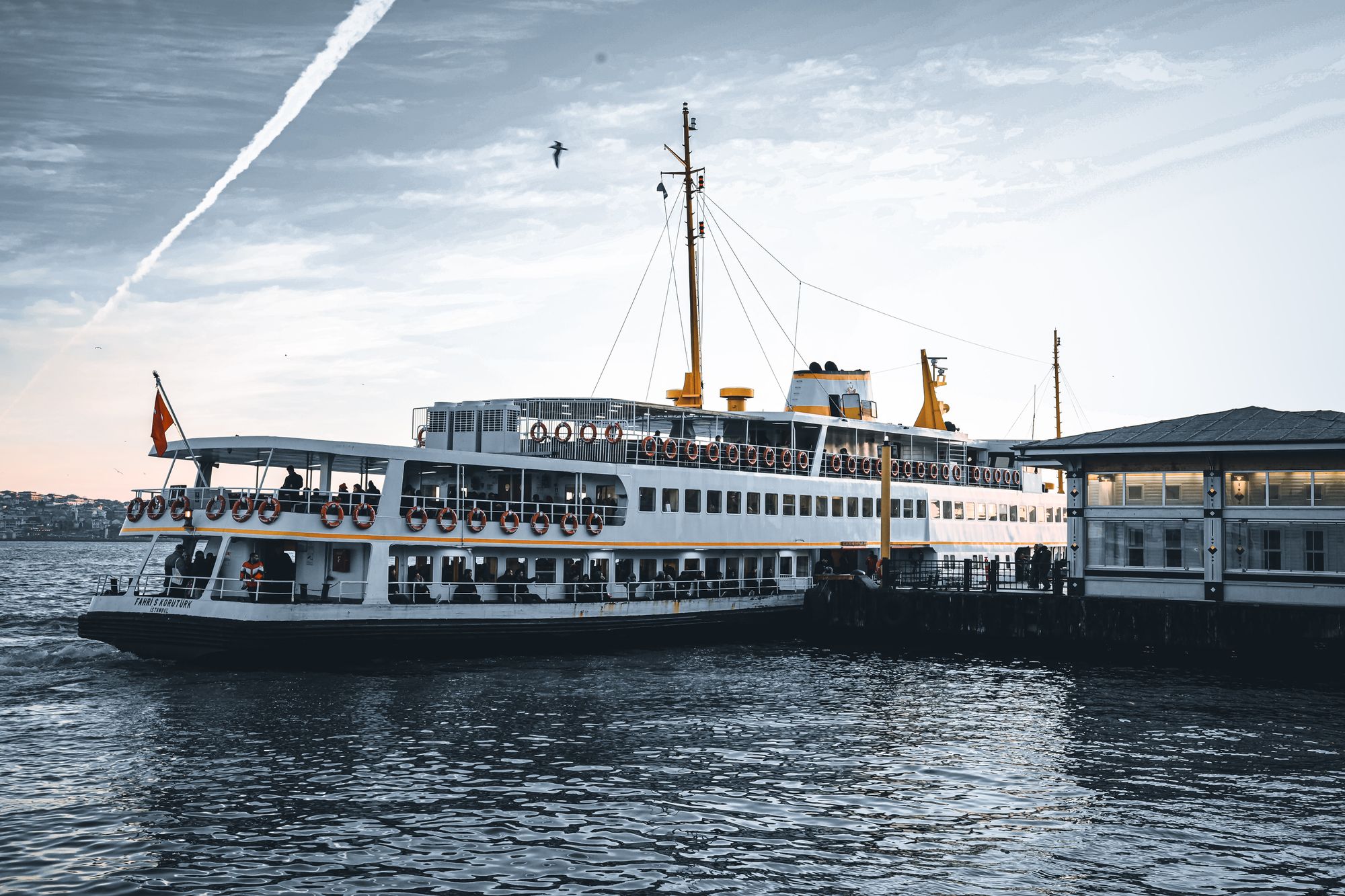
Passenger ships
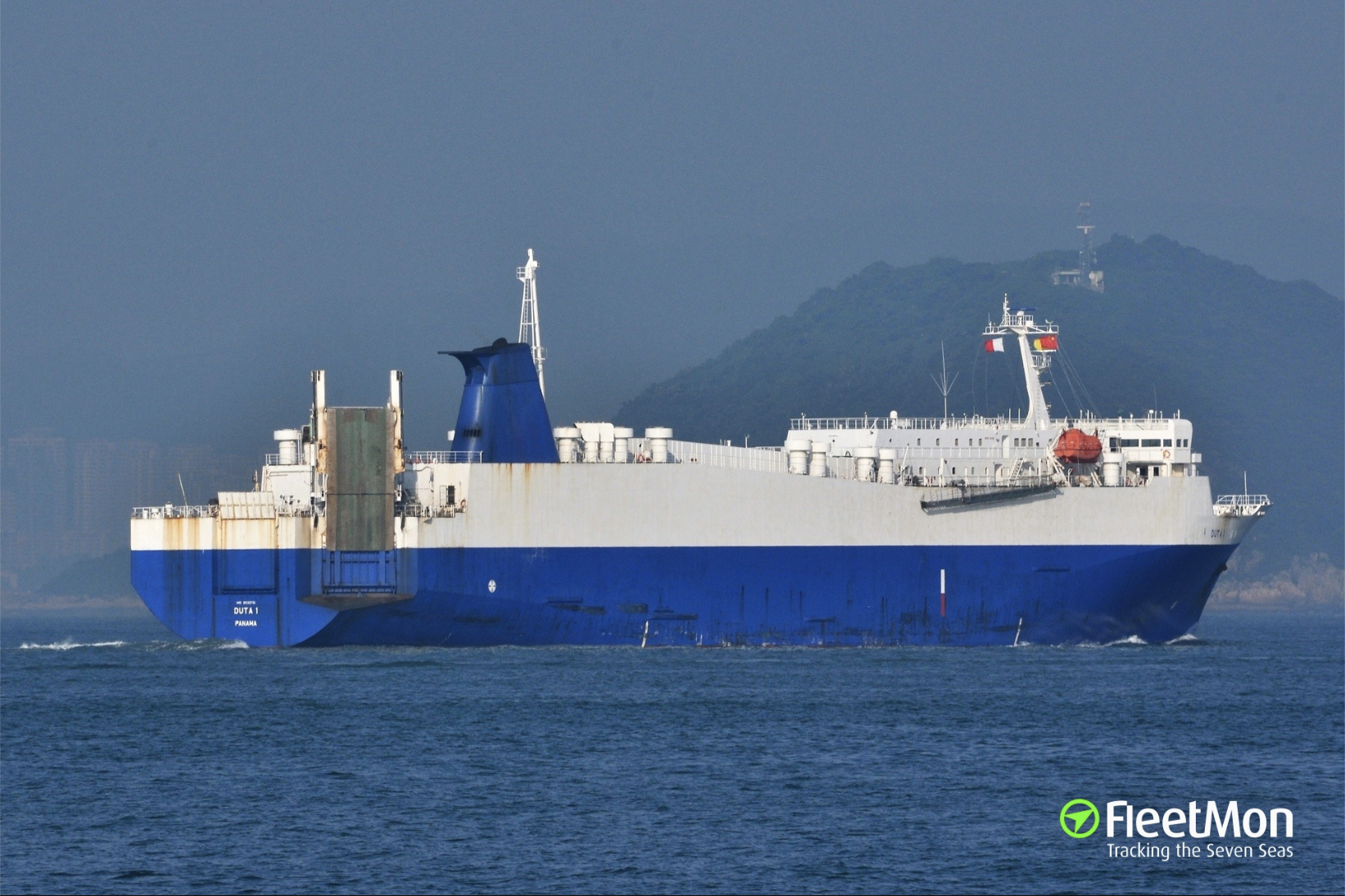
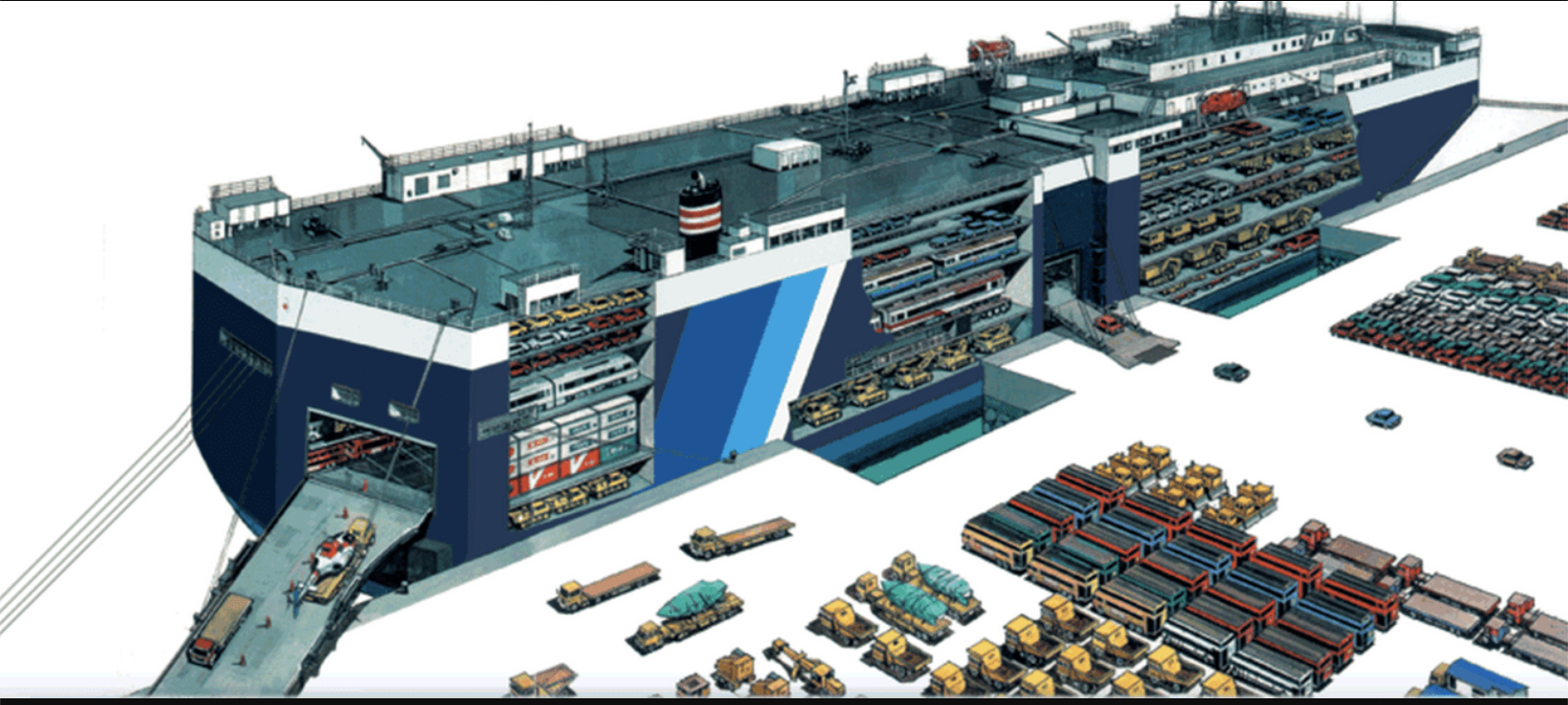
Roll on Roll Off vessels
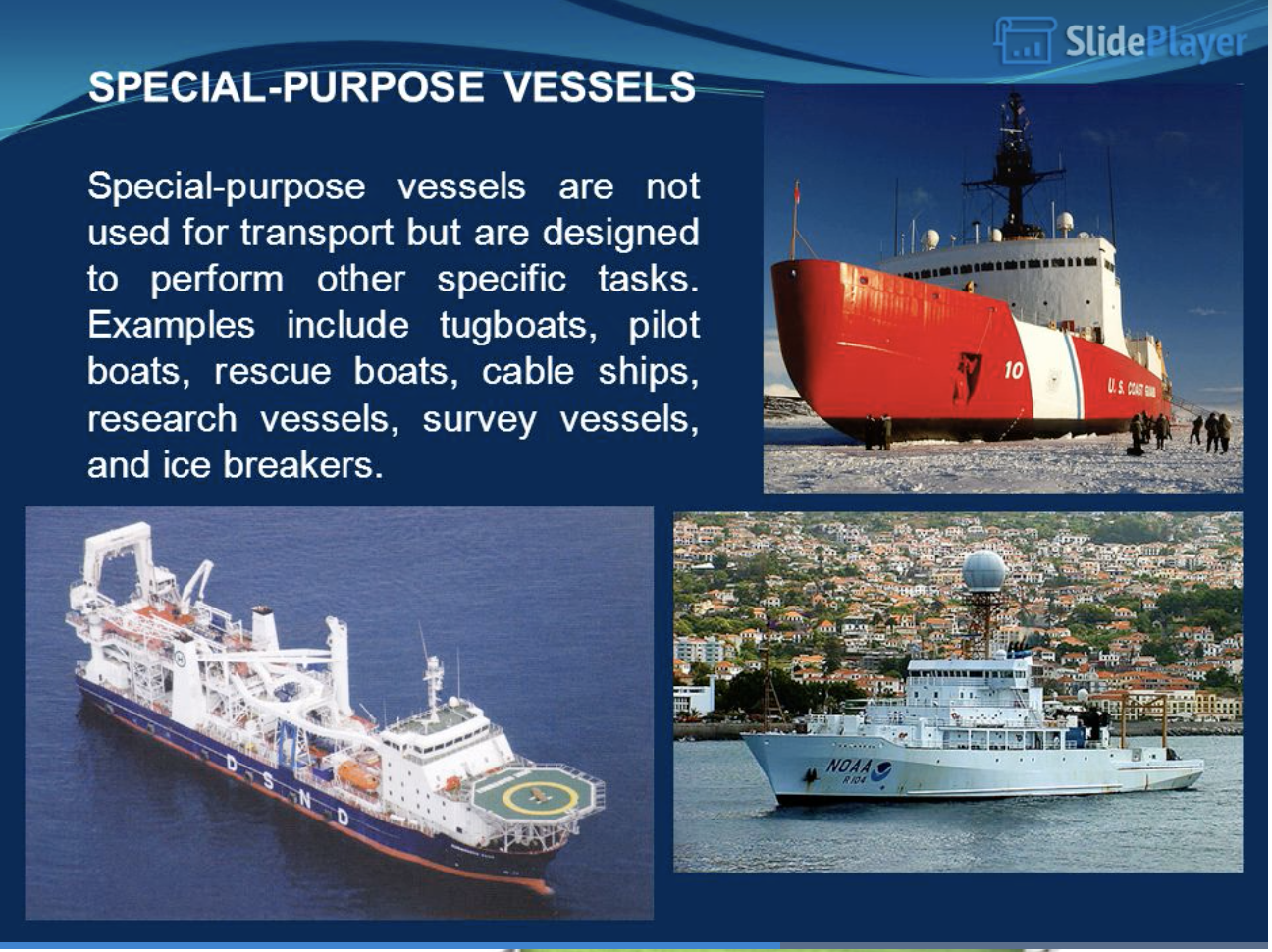
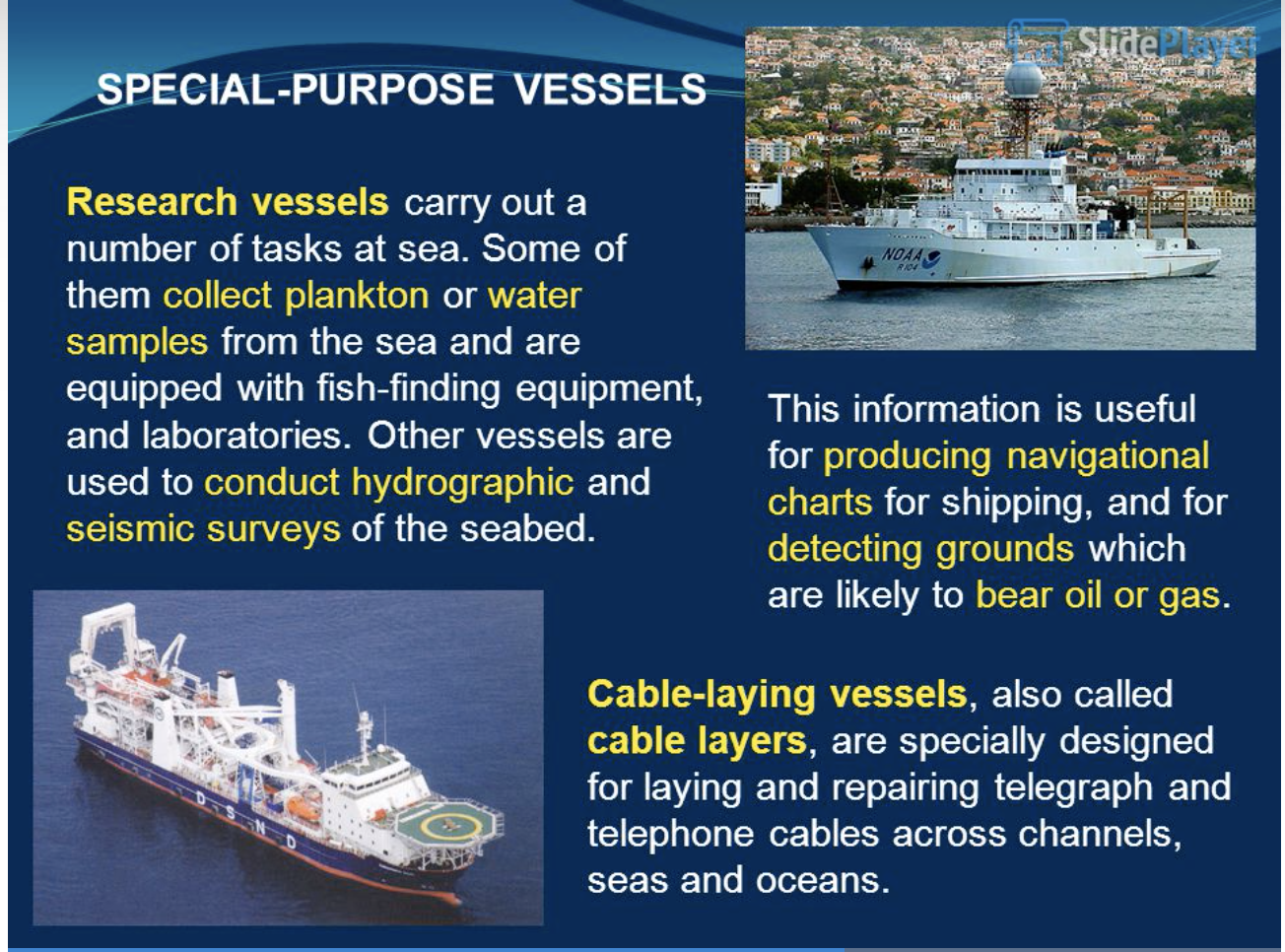
Special purpose vessels
Tankers ships